
Why Reliable Wi-Fi Has Become Mission-Critical for Modern Warehouses
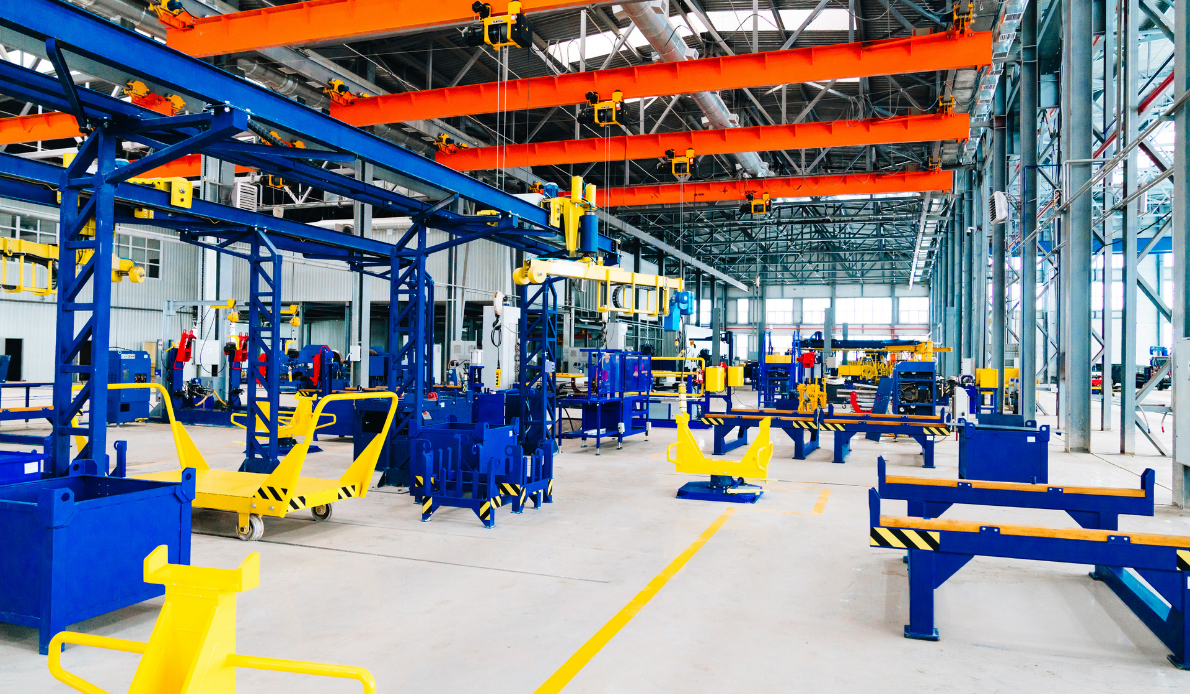
Modern warehouses have become highly connected environments, with numerous systems and devices relying on uninterrupted wireless connectivity. It is important to consider a warehouse is not only a shell with products being shipped in and out but also features smaller logistical parts such as barcode scanners, voice picking, automation systems and CCTV. They all depend on reliable wireless connectivity.
Having poor connectivity is a clear way to waste money. If the processes are behind orders or there are delays due to poor connection, then that can be an expensive but easily resolved issue.
Even as recently as ten years ago, warehouses were more paper-based than now. Meaning the need for all the additional connected devices has been incorporated within a short space of time. Whilst that might have been overwhelming for some warehouses it is important to stay on top of what needs to be connected to keep the operations from grinding to a halt. In modern warehouses, every movement, scan and transaction depends on a reliable network connection. This applies particularly to warehouses operating on Just-In-Time (JIT) supply chains where even minor delays can create knock-on effects throughout the operation. If there is any downtime, the backlog could cost more than it costs to have the latest technology installed.
Some of the issues which could occur include:
- Delays in inventory updates
- Slower order fulfilment
- Reduced picking accuracy
- Operational bottlenecks
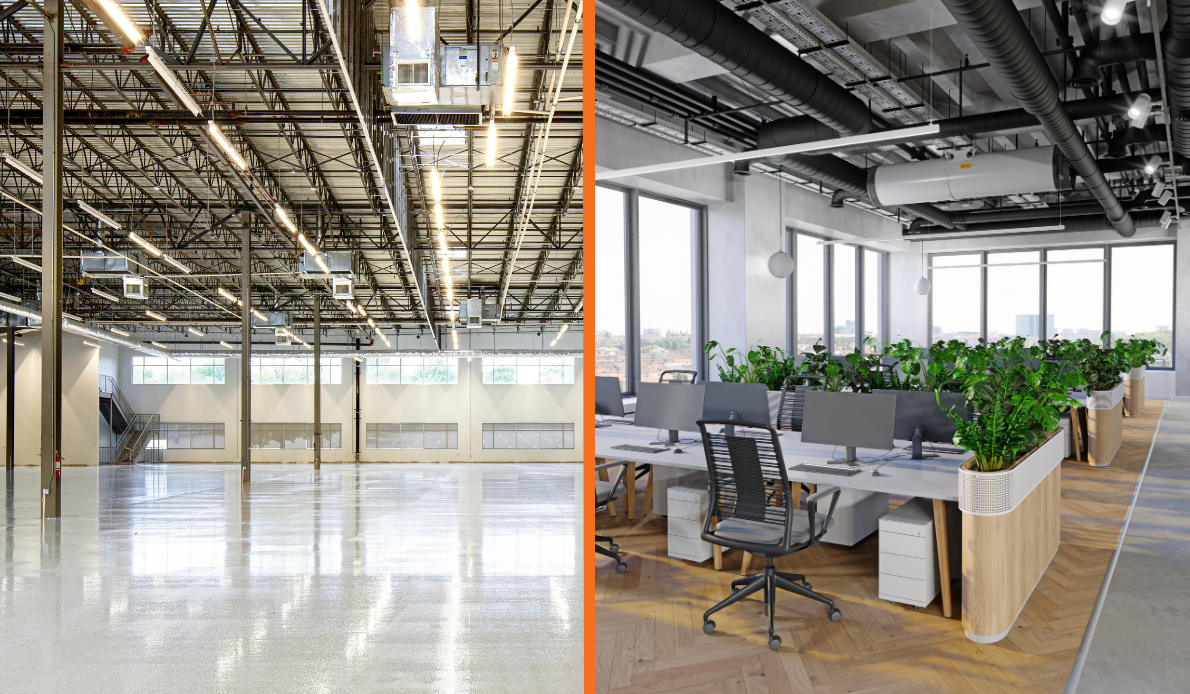
Don’t Compare A Warehouse To An Office
Warehouses are much more difficult to handle than offices due to a variety of factors. They are much larger open areas almost like being outside. With high ceilings and long rows it is difficult to maintain coverage everywhere like an office would usually have.
But once the coverage is resolved and there are enough connectivity points, focus turns to capacity. Coverage and capacity are often confused, but they solve different problems. Coverage ensures devices can connect to the network. Capacity ensures the network can support the number of devices actively using it.
Even if there is a large number of access points set up around the warehouse to cover all areas- if there is hundreds of scanners, tablets, cameras, sensors and mobile devices operating and competing with each other at the same time, it becomes difficult to operate the warehouse without adequate tools to handle it. This means that once the coverage is complete, it is essential for any devices connected to the network are running at optimal levels and if that requires more powerful appliances, then it must be actioned.
Because unlike in an office where many devices remain stationary with the exception of laptops and mobile phones, in warehouses, there are lots of moving elements such as forklifts and handheld scanners. If the roaming is poor, then it will be difficult to maintain a smooth operation. In warehouse environments, connectivity must move with the worker. Seamless roaming is just as important as signal strength.
Rise in Automation
Whilst there has been a significant rise in technology in warehouses as mentioned previously, this won’t be the end of the development climb. With AI now creeping into everyday tasks, automation is now starting to take control of tasks too. For instance, AMR (autonomous machine robots) and AI-powered inventory machines. Where people are working, network coverage isn’t needed but the rise in automation means wireless networks are essential.
Large logistics companies such as Amazon or DHL will have already incorporated some form of automation to help handle the demands of continuous logistics planning however, now SME businesses are recommended to start including it too. Technologies associated with Industry 4.0 which includes Autonomous Mobile Robots (AMRs) and AI-powered inventory management – these are tools which are becoming increasingly accessible to businesses of all sizes.
If dealing with thousands of transactions and interactions every day and because of a slow network everything is taking a second longer than it should be, imagine how much time can be saved if the network was working efficiently. There is usually no downtime for automated machines too meaning warehouses can operate 24/7. With there being no downtime, it makes it even more essential that the network can handle high demands as dropouts are unacceptable.
RUCKUS Products
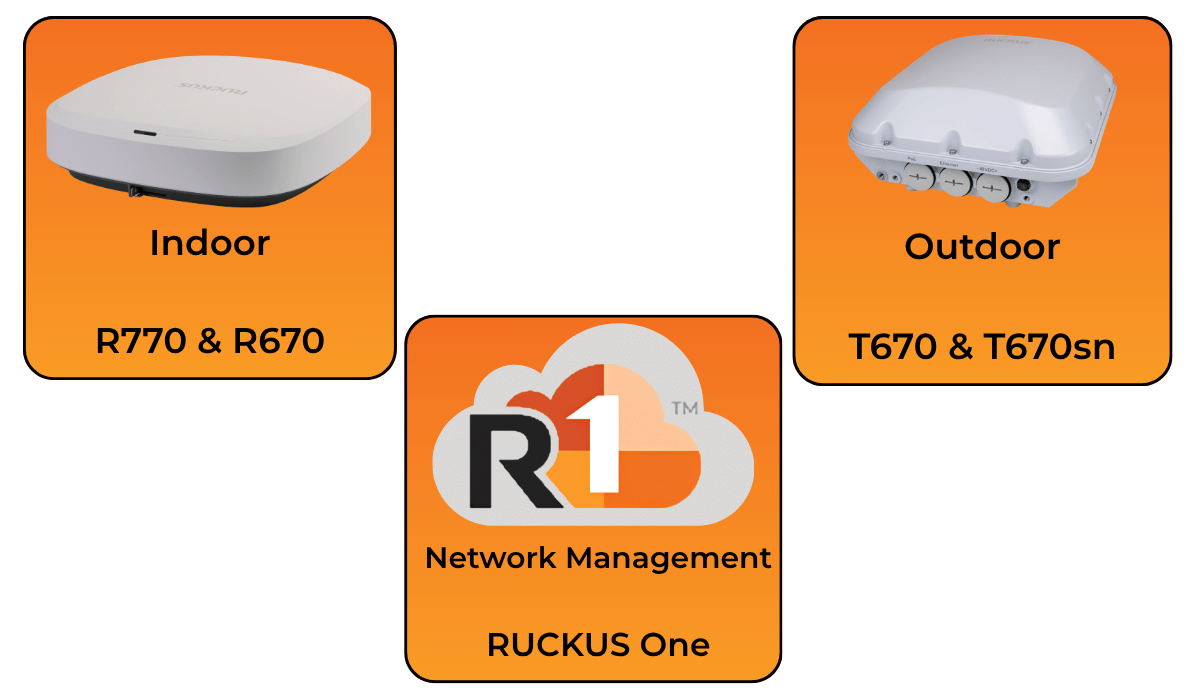
RUCKUS has a strong selection of products which can handle highly demanding environments such as a large warehouse. With indoor, outdoor and network management all available, RUCKUS has it covered.
Indoor access points include: R770, R670 and R760. All are designed to deliver in high density environments with enterprise level performance. The R770, in particular, is the flagship indoor access point for RUCKUS currently and is built to support automation, robotics and high numbers of connected devices providing warehouses with modern solutions as well as futureproofing deployments down the line.
Outdoor access points suited to warehouse operations are T670 and T670sn. Both are Wi-Fi 7 and are capable of covering large areas outdoors for large transports and loading bays as a couple of examples. Focusing on the T670sn, it is well adapted to environments which adapt and change frequently. For instance, forklifts and HGVs which move between different zones and so the T670sn reduces the number of dead spots around the site. Also with this access point, their programmable sector antenna allows coverage patterns to be adjusted through software, which means operators can adapt wireless coverage without physically replacing hardware.
RUCKUS One is the network management tool which is best equipped to handle this environment. With easy connectivity to all access points and remote access, it means users do not have to be at the scene of an incident to be able to access and resolve issues as well as programme APs when setting up or updating software.
In summary, technology has evolved significantly in recent years and it’s not just the larger businesses which need to keep their network running as everyday tasks now require some form of network access to operate. The future of warehousing also looks to be heading further down the route of network assisted technology.
Organisations investing in reliable, future-ready wireless networks today will be better positioned to support productivity, scalability and innovation for the future. For indoor, outdoor or AI-driven network management, RUCKUS provides a strong foundation for modern warehouse environments.
If you would like to speak to someone about anything RUCKUS, get in touch sales@purdi.com or give us a call 01488 647 647..